Search Results
Search this site
40 results found with an empty search
- In modern society a mindfulness meditation practice may need to be part of your daily basics.
Mindfulness meditation: A Return to home - cultivating a sense of safety. I believe that sustainable wellbeing isn’t built on hacks, heroics, or the next trending product. It begins with having a strong foundation with the basics. Things like deep rest, whole food, connection, movement, meaning (action aligned with values) and the practice of mindfulness meditation. In today’s modern world, we’re constantly pulled by an incessant undercurrent of urgency. Common modern beliefs often involve: be faster, do more, stay ahead. Add to that the fear-based messaging we encounter daily: social media, news, wellness marketing that quietly suggests something is wrong with you (and conveniently offers a fix you can buy). The result? A nervous system that’s constantly bracing, scanning, and rarely feeling grounded and secure. When it comes to your wellbeing, safety/security isn’t a luxury; it’s a biological requirement. A healthy nervous system doesn’t live in perpetual calm. It's agile. It responds to challenge, then returns to it's centre - it's home - safety - there is a homeostatic balance of action and rest. But when you’re always in 'action mode' or drive, in otherwords, always chasing or fending off the next thing, your system can lose that flexibility and agility. You can end up stuck in survival mode: in fight, in flight, or in freeze. For many, survival mode becomes a baseline and when survival mode is your baseline, you may be more prone to chronic stress and burnout. Here is the thing: the nervous system can’t always tell the difference between a real threat and an inbox full of unread emails, a passive-aggressive message, or the relentless pace of life. It can reacts as if everything is a threat . This is where mindfulness becomes essential. Not as a magic fix and escape. It is not aimed to remove stress entirely. It can anchor you in a storm and build resilience by expanding your your window of tolerance to stress. How - mindfulness meditation can be a gentle, grounded signal to your body: You are safe. You are home. Mindfulness meditation is not about perfection. It’s not about clearing your mind or achieving some enlightened state. It’s about noticing on purpose with curiousity not judgement. Pausing. The practice allows you to become aware of the moment you’re in - aware of the inner landscape - sensations, thoughts, feelings; aware of your surroundings - increasing granularity of an experience. Over time, this presence becomes a powerful antidote to the noise - it helps you build an anchor for the storms. It grounds you and can create space between stimulus and response, which can allow you to respond to life wither greater clarity and alignment. And when practiced consistently, mindfulness meditation can help your system restore its natural rhythm and agility. From stuck to fluid. From reactive to responsive. From scattered to centred. It ’s one of the simplest things we can do. It is a quiet, radical rebellion against the modern hustle. A mindfulness meditation practice can look different for everyone. The principles are simple: pay attention on purpose, without judgement - notice when your mind has drifted and gently come back to noticing. The analogy of you are the sky and everything else is the weather can be helpful - mindfulness meditation can help you strengthen your observing mind - the sky. The thoughts, feelings, sensations - are the weather. Here is a simple mindfulness meditation that I practice every morning - you can do this in a couple of minutes or for as long as feels releastic/sustainable: Sit somewhere comfortably with an upright, relaxed posture (e.g. on a chair feet flat on the ground or on a cushion. Support your body with props if needed. Body scan - scan through the body from head to toe - noticing any sensation or lack there of. Eyes open take some breaths on purpose. If comfortable close the eyes or just soften the gaze. Without changing your breath, just notice it - the rise and fall of the chest/belly; where the breath enters the body and how it leaves. To anchor your awareness count the breaths up to 10 and repeat - inhale 1, exhale 2.... Your mind will wander - this is okay and normal! we are changing the relationship with our thoughts - imagine they are like cars driving by - you will likely be lost in thought and catch yourself - this is okay. Gently bring your mind back to your anchor. This is the work - simply returning to the moment. You might return 100+ times. Let your anchor go - allow your mind to do what it wants. Come back to the body - remind yourself - I am safe, I am grounded. Some great support tools to support building a mindfulness meditation practice: Headspace App Insight timer App Calm App In Wellington, AWHI yoga offers a variety of mindfulness based practices - yoga, meditation. Practice mindfulness in a community of support. I'd love to hear if you have a mindfulness practice or would like to build one. If you’re ready to uncover what’s really driving your symptoms - and want a clear, personalised plan to support your health from the root up - I'd love to chat.. Book a free Vitality Strategy Call to explore whether inflammation is playing a role in your health concerns and how I can support you. You can also stay connected and receive regular holistic health insights by subscribing to my newsletter —it’s where I share practical tools, latest research, and the behind-the-scenes wisdom from my clinical practice.
- Herbal Tools to Manage Stress
Feeling Wired & Tired? Meet Withania: Nature’s Ally for Stress In a world that celebrates hustle and constant output, many of us find ourselves caught in a cycle of stress we can’t quite shake. You might feel wired but tired; restless at night, flat during the day. Maybe you’re juggling a lot, feeling run down, or just burnt-out. As a clinical naturopath & medical herbalist, I work with many clients who have a lot going on in their life - they are resilient, however, long term stress is starting to take a toll on their body. And while there’s no one-size-fits-all answer to stress, there are tools we can use to support and protect the nervous system and body against the constant wear and tear life's daily stressors can have. Herbal adaptogens are herbal tools that I use in my clinical practice a lot. One of my favourite adaptogens to use is Withania somnifera , also known as Ashwagandha . What Are Adaptogens, Anyway? Adaptogens are a group of herbs and mushrooms that help the body cope with and adapt to stress. Unlike caffeine or quick energy fixes, they work to conserve energy and protect. In short, adaptogens help your body find its way back to homeostasis , its natural balance. They help build your physiological window of tolerance to stress. Withania is one of the most trusted and widely studied adaptogens. Let’s take a closer look. Withania: Rooted in Calm, Backed by Science Withania has been used for centuries in Ayurvedic medicine to support sleep, vitality, and emotional resilience. In modern research, it’s shown to: Modulates cortisol, our primary stress hormone Improve sleep quality Support mood and reduce anxiety Stabilize energy without overstimulation Support cognitive clarity and thyroid health Modulates the immune system Anti-inflammatory & anti-oxidant What I love most is that it’s nourishing , not pushing. Withania doesn’t force the body to do more, it cultivates more space to manage, and protects the body, helping it to weather the storm. Who Might Benefit from Withania? This herb can be especially supportive for: Those feeling burnt out, anxious, or “on edge” Women navigating perimenopause or hormonal fluctuations People with disrupted sleep or trouble winding down Individuals recovering from long-term stress, illness, or post-viral fatigue Anyone feeling like their nervous system is stuck in “go” mode How I Use It in Practice In my clinical work, I use Withania often but never in isolation. It works best when paired with the right nutrition, nervous system support, and daily practices that support general health and wellbeing. Clients often report that it helps them sleep more deeply, feel more grounded, and have more bandwidth and capacity. Sometimes I use it in tincture form, sometimes as a capsule, or as a powder blended with other nervous system supporting nutrients like magnesium. I always tailor the form and dose to the individual. Things to Keep in Mind While Withania is generally safe and well-tolerated, it’s not for everyone. Avoid during pregnancy unless guided by a practitioner Use caution with hyperthyroidism, if using thyroxin for hypothyroidism or sedative medications Choose high-quality, practitioner-grade products Most importantly: see it as a piece of a bigger picture , not a magic bullet Slow Medicine for Fast Lives We live in a culture that’s constantly rushing but our healing doesn’t work that way. Withania reminds us that real resilience is built gently, over time. It doesn’t numb the stress. It helps you meet life with more steadiness, physiologically and psychologically, anchored and grounded. If you're curious about how herbs like Withania might support your health journey, I’d love to chat. You don’t have to figure it out alone - your body holds wisdom, and there are natural tools to help you reconnect with it. 👉 Want to explore a tailored approach to stress support? Book a vitality strategy call - Happy to discuss a herb that might support your current situation or sign up for my newsletter to receive a monthly dose of evidence-based wellness tools.
- 6 Daily Habits to Support Resilience (Even When You’re Busy)
You’re doing all the things; showing up for your family, your work, your health. But under the surface, you might feel it: the fatigue, the irritability, the nagging sense of being just a little off. I've been there! In a world that runs on urgency and output, it’s easy to override our body’s signals. And yet, the truth is your resilience matters. Your ability to bounce back, to feel grounded and clear-headed, isn’t just about pushing through. It’s about supporting your body, your nervous system, and your whole self every single day - with small actions that keep you agile - adapting to life as it unfolds - and able to anchor in a storm. You don’t need a 10-step morning routine or a weekend retreat to support your nervous system and overall wellbeing. Small, consistent habits go a long way. As a clinical holistic practitioner - here are six simple, impactful daily practices I use in my own life and often recommend to clients support stress resilience—even in the busiest seasons of life. 1. Anchor Your Mornings - grounded and with some clarity (Without Your Phone) Your first moments set the tone for your nervous system. Start the day with presence. Even a few quiet minutes before reaching for your phone can shift your body out of reactive mode and signal to your nervous system that you are safe. It is from this safe, grounded place that you can respond intentionally and with clarity. Try: Stepping outside for a few breaths of fresh air or sunlight Stretching or gentle movement Journal - 1-3 things you appreciate in your life, how do you want to show up today?, what is important for you to get done or focus on today? Simply sitting in stillness and focusing on your breath as well as watching your mind. Strengthening the observing mind helps shift your nervous system. ✨ Why it works: Any one of the above tools can signal to your nervous system that you are safe. When your nervous system realises it is safe to be here, it can adapt better to stress, shifting you from survival mode to problem solving and grounded mode. 2. Eat to Nourish Stress, blood sugar, and energy are deeply connected. Skipping meals or running on coffee and carbs can send your blood sugar (and mood) on a rollercoaster. Your nervous system continues to feel like it is on the battle field. Ground and anchor your nervous system with meals that are balanced with: Protein : eggs, legumes, fish, nuts/seeds Healthy fats : avocado, olive oil, tahini, fatty fish, olive oil Slow carbs : root veggies, oats, brown rice, fruit ✨ Why it works: Balanced meals prevent the “hangry” cortisol spike and give your brain the fuel it needs to focus. Nutrient dense meals signal to your nervous system - I am safe. 3. Find One Moment of Stillness (Micro-Rest/Mindfulness Counts) You don’t need an hour of meditation. You need interruptions and pockets of mindfulness to the go-go-go. Try: A 2-minute breathing pause between meetings One mindful walk around the block 3 deep breaths before you eat A quiet moment with a cup of tea and no phone ✨ Why it works: Micro-rest moments calm the nervous system and shift you out of “fight or flight or freeze.” Even when things are hectic - a micro moment says to your nervous system - things are a bit full-on but not dangerous. If you would like more information on micro-practices to be present email me at melissarivard@wellkind.co.nz and I'll send you a download:) 4. Prioritise Sleep Like It’s Sacred Sleep is your body’s nightly reset - don’t let it be the first thing sacrificed. A bad night's sleep now and again will happen and that's okay. But I often see sleep being the first thing sacrificed when life is hard. Protect it by: Avoiding screens 1 hour before bed Taking magnesium or herbal support if needed (note - always check with a professional to make sure a supplement/herb is safe and well-indicated) Keeping consistent sleep and wake times Creating a “wind-down ritual” to cue the brain (e.g. a shower, dimming the lights, reading, listening to calm/quiet music) ✨ Why it matters: Poor sleep dysregulates cortisol, can make us more insulin resistant, weakens immunity, and amplifies anxiety. Deep rest is the foundation of resilience and recovery. 5. Nourish Your Inner Battery Resilience isn’t just physical - it’s emotional and energetic too. There are so many ways you bleed energy in the modern world - at work, on your phone, reading the news, supporting others, just showing up sometimes. You need to put energy back in in order to stay resilient. Every day, do one thing that feels nourishing. Not productive. Not impressive. Just good for your soul - that fills your cup. Dance to a song you love Write in a journal Chat with someone who makes you laugh A cup of tea Read for pleasure Seek beauty Create Step outside and do absolutely nothing for 5 minutes ✨ Why it works: Joy, connection, creativity and rest are not luxuries; they’re medicine. They help shift you into a more resonant state - from here things feel possible and energising. 6. Move your body Exercise isn’t just for fitness - it’s one of the most powerful tools we have to regulate the stress response and build our window of tolerance to stress. Doing something hard on purpose, like a workout, helps you build your tolerance to the hards that life can throw at you like a difficult conversation. But you don't have to do a hard workout to get the benefits of exercise and support your nervous system. Try: A 20-30-minute walk in nature Increasing your incidental movement - walk instead of public transport or get off a couple stops early. Dancing in your kitchen (yes, that counts!) ✨ Why it works: Movement helps metabolise stress hormones, boosts mood, and strengthens your nervous system's ability to recover. It can be a circuit breaker before, during, or after a stress day. The Bottom Line: Resilience Is Built in the Everyday You don’t need to overhaul your life to start feeling better. These small habits, done consistently, tell your body: You are safe. You got this - You can handle what is being thrown at you and will get through to the otherside. They keep your nervous system agile - helping it meet stress with clarity and the bandwidth required to get stuff done but also - downregulate, rest, and restore. 🌿 Want to go deeper in supporting your nervous system, energy, and vitality—without adding more to your to-do list? Book a free vitality strategy call or sign up for my monthly newsletter where I share more evidence based tools on how you can support your holistic health.
- Building Your Window of Tolerance to Stress: 11 Effective Strategies
Stress is a natural part of life. It isn’t inherently bad. In fact, stress can motivate you and help you perform at your best in certain situations. However, when stress exceeds our window of tolerance —the level of stress our nervous system can handle without becoming overwhelmed—it can lead to burnout and other health issues. Building a bigger window of tolerance allows you to manage stress better and remain resilient in the face of life's challenges. Here are 11 effective ways to build your window of tolerance to stress and create a more balanced, resilient life: 1. Ensure You Are Meeting Your Nutrient Needs Your body requires a variety of nutrients to function optimally. Deficiencies can lead to mood swings, irritability, and a lowered ability to cope with stress. Prioritizing a nutrient-dense, anti-inflammatory diet helps maintain energy levels. This improves your mental and physical resilience. 2. Hydrate Well Dehydration can increase stress, making you feel more irritable and fatigued. Aim for at least 30 ml per kg of body weight daily. Adjust this amount for factors like physical activity and climate. Staying hydrated supports brain function and helps regulate your body’s response to stress. 3. Address Underlying Health Concerns Improving your physical health can significantly increase your resilience to stress. Health issues like poor digestion, hormone imbalances, chronic inflammation, or metabolic dysfunction can limit your window of tolerance. Addressing these problems equips your body and mind better to take on life's challenges. 4. Move Your Body Exercise is a natural stress reliever. Whether it’s a brisk walk, yoga, or strength training, movement helps release built-up tension and boost your mood. Regular physical activity strengthens resilience and supports your nervous system’s ability to manage stress. 5. Build Positive Social Support Having a support system of friends, family, or a community is vital for resilience. Connection and belonging reduce feelings of isolation. They help you navigate stress with a sense of safety and solidarity. Make time to nurture positive social relationships. 6. Evoke 'Awe' and Remember Your Insignificance This may sound strange, but research shows that experiencing awe—through nature, art, or meaningful moments—can reduce stress. Remembering how small you are in the universe can make daily problems feel more manageable. Take the time to appreciate the wonders of the world around you to restore calm. 7. Prioritise Sleep Sleep is your body’s natural recovery tool. Cutting sleep to get more done ultimately lowers your ability to handle stress. Ensure you get adequate rest every night—ideally 7-9 hours. This protects your mental health and supports your body’s stress management. Consider developing a calming bedtime routine to prioritize sleep. 8. Practice Mindfulness Mindfulness helps you stay present and calm during stressful moments. Techniques like deep breathing, meditation, or simply paying attention to your senses can lower stress levels. It teaches your body to remain grounded and responsive, rather than reactive. 9. Set and Maintain Boundaries Setting boundaries—whether at work, with family, or in relationships—is essential for protecting your energy. Knowing when to say no and establishing clear limits prevents overwhelm. Boundaries allow you to engage with the world on your terms without sacrificing your well-being. 10. Make Time for Play and Joy We often forget the importance of fun in our busy lives. Engaging in playful activities, hobbies, or joyful moments resets your nervous system. Whether it’s laughing with loved ones or indulging in a favorite hobby, ensure there’s room for enjoyment in your routine. 11. Work on Your Mindset and Develop Cognitive Flexibility Building resilience isn’t just about physical actions; it’s also about your thoughts. Developing cognitive flexibility lets you reframe negative thoughts and adapt to change. Practices like journaling or ACT therapy (something I am trained in) can help foster a more resilient/flexible mindset. Conclusion: Embrace the Power of Stress Stress doesn’t have to be a constant source of frustration or anxiety. By consciously expanding your window of tolerance, you can manage stress healthily. This approach helps avoid burnout and fosters long-term well-being. Implementing even a few of these strategies can profoundly impact your life, helping you stay grounded and resilient amidst life’s inevitable stressors. If you would like help building a personalized plan to increase your window of tolerance, contact me to learn more about how we can work together to restore balance and vitality. I offer free discovery calls to chat about health strategies that are personalised, realistic, and sustainable.
- How to Build a New Habit
The actions we take on a day to day basis decides our future and shape who we become. A significant aspect of how I work with clients is understanding behaviour science and using coaching tools to support clients with building new habits they wish to establish in order to work towards their health goals. In my first two years of practice as a naturopath and nutritionist, I realised that having the knowledge of WHAT clients needed to do to work towards their health goals was not enough. I needed to learn how to better support HOW they were going to do this. I've spent the last year and a half doing a deep dive in behaviour science and am really excited to share what I've learned with my clients. Let's first start by understanding what habits are... Habits make up a huge proportion of our daily lives A habit is an established/frequent behaviour often performed in the same setting and same way. It is guided by a cue or trigger and does not require much thought or attention (e.g. more ‘automatic’). Once formed, habits actually shift to a more primitive part of the brain, freeing up more cognitive space - this is why once formed, habits can be difficult to change. There is a HUGE gulf between the intention of doing something and actually doing it. In behaviour science, this is called the ‘Intention-Action gap’. For example, most adults know that exercise is good for them and would like to do more, yet studies suggest that between 36% to 55% of people never manage to convert intention into action. How habits are formed: Cue/Trigger - Some context that is stable. For example, making coffee might be cued by a particular time of day (waking up/morning), the kettle, or being in an environment as a whole (cafe), a preceding behaviour (switching on the kettle), or even a person or sound (alarm clock). Setting up your environment can be really helpful for developing a new habit - perhaps having your running shoes by the door or a gym bag ready. Repetition - for a behaviour to become a habit, it needs to be performed frequently and repeated many times. Assuming that a behaviour is performed regularly - at least a few times a week. Research suggests anywhere between 18 days and 254 days to embed a new habit - it varies! Rewards - all behaviour is functional and serves some sort of purpose - rewarding us in some way - rewards can be intrinsic or extrinsic, conscious or subconscious, physical or physiological, short term or long term, cumulative. Six Strategies for building habits: 1. Ensure a stable, supportive environment - perhaps having your gym shoes visible by the door and a packed gym bag. Having a water bottle on counter. Stocking your fridge with veggies and emptying your pantry to cue eating more fresh food. 2. Leverage the context - this strategy is about using natural opportunities already existing. It can include - stacking/piggybacking on an existing habit or utilising a bold change in context like moving or a new life stage. 3. MAKE IT EASY TO DO - sooooo many of us jump into all or nothing thinking and often bite off more than we can chew leading to burn out. Identify and remove barriers - choose an action that is easy to do. For example, if wanting to do more exercise, you might start with wearing sport shoes and walking to work or even getting off a bus stop one or two stops earlier. 4. Develop cues and rewards - Develop a simple “If….then”….for example, if I wear my sport shoes and pack my work shoes, I can walk to and from work”. Having a mix of rewards is essential - immediate (you could have a tracking chart for example), long term (how will you celebrate this at the end of week/month? ) 5. Practice and repeat and EXPECT resistance - new behaviours take time and to start, require more cognitive energy - therefore, it can be tiring and be met with resistance. This is normal. Planning and preparing for how you will respond to resistance is helpful. Knowing that you will have set backs is helpful. 6. Build meaning - knowing your why behind wanting to develop a new behaviour is important - it cultivates meaning and purpose. Building new habits take time and can be challenging for all of us. Finding a support system is really important. Surround yourself with people that support your values, the habits you want to build, and the person you want to become. If you feel you need more support, find a coach to support you.
- Outcome Goals vs Behaviour Goals and Why Knowing the Difference Matters
When people talk about their health and fitness goals, generally, they say things like: ⚖️ I want to lose 20 pounds. 🧘🏻 I want to be less stressed. 🏃🏾♀️ I want to run a sub 30-minute 5K. These are all examples of outcome-based goals—goals that focus on a desired outcome or result. It’s fine to frame goals like this… in casual conversation. But it’s not so great for actually improving or progressing toward that goal. That’s because wanting an outcome isn’t enough. (Even if you really, really, REALLY want it.) Why? Because we (usually) can’t control outcomes. You can have crystal clear vision of your goal—plus all the motivation in the world—but then: You get slammed with work. Your kid goes through a mental health crisis. Your gym closes for, like, TWO YEARS. You develop problems sleeping. Your knee decides it hates running. And poof! There goes your goal—up in smoke. Staring at the ashes of your former goals can feel like a personal failure. However, you might’ve had little to do with your goal not working out. It’s just that things beyond your control—work, other people, your biology—didn’t cooperate. But if results are out of your hands… how are you supposed to improve at anything??? Meet: Behavior-based goals. Behavior-based goals are centered on the ACTIONS you take, like eating slowly at every meal, practicing a daily meditation session, or doing some type of training or active recovery most days of the week. Because you have MUCH more control over your behaviors, behavior-based goals are more effective—and more empowering. Here are a few examples of turning outcome goals into behavior goals: EXAMPLE 1 Outcome goal: Lower blood sugar Behavior goal: Take a 20-minute daily walk EXAMPLE 2 Outcome goal: Sleep 8 hours a night Behavior goal: Create a calming bedtime routine and start it 30 minutes before bedtime EXAMPLE 3 Outcome goal: Improve relationship with partner Behavior goal: Have a date night once a week How to set a behavior goal—TODAY. What to Do ► Write down the outcome you want. (Let’s say it’s, “Lose 20 pounds.”) ► Then, write down some skills you think you’ll need to get that outcome. (For example, one might be “meal prep.”) ► Next, write down a behavior you can do today that’ll help build those skills. (“Buy and wash blueberries, and put them in a container that’s easily accessible.) ► Try to do the behavior consistently. (In the example above, maybe you prep a bunch of fruit each Sunday so you have healthy snacks available all week.) You may not always follow through, and that’s okay. Progress is almost never a straight line in the direction you want to head. But by focusing on the behavior and not just “lose 20 pounds,” you keep your attention on the part you can control. That’s truly how you achieve amazing things over time.
- Naturopathy is a form of Systems Medicine
Naturopathic Medicine is a form of Systems and Preventative Medicine Systems medicine takes an integrative and holistic approach to understanding the body - understanding that there is a deep connection between the different systems within the body and also between the body and external factors (e.g. environment, relationships, resources, etc). This approach aims to improve our understanding, prevention, and treatment of health concerns. The way medicine is often practiced is reductionist - seeing systems operating in silos without consideration for contributing variables. This leads to treatments that often only treat symptoms and do not go up stream enough to find the root cause nor addressing the likely contributing factors. Recently I read an article in The Washington Post about a women who had spent nearly two decades in a catatonic state of psychosis. She was institutionalised and diagnosed with schizophrenia. Years later, when a systems approach was taken, doctors found that she also had n autoimmune disease, lupus and that this was likely causing neuroinflammation. Understanding the connection between neuroinflammation and mental health presentations, doctors began to treat her with immune therapy. Within months, she improved and she is now living independently and able to function. Trichana et al. (2018) state that the body is made up of a ‘networks of networks’; organ networks, cellular networks, molecular networks, genetic networks. Naturopathy understands this in addition to spiritual networks, mental networks, socioeconomic networks, community and family networks, and environmental networks.The body is resilient and is always trying to maintain balance within and between these networks - this is called homeostasis. When healthy, we are resilient to perturbations. As practitioners, we may work with someone whose networks are unable to maintain homeostasis - which lowers vitality and may put them at risk for developing chronic diseases. Things that might signal this include: Metabolic dysregulation (e.g. lipid dysregulation, glucose/insulin dysregulation) Chronic stress Poor sleep patterns Recurrent infections Hormone imbalance Chronic pain and inflammation Digestive concerns Mood fluctuations Low energy Taking thorough case takes is critically important when trying to understand what is happening holistically. This takes time - in my practice, an initial consultation is 90 minutes. I also work on the case for several hours after that, looking at lab results and further processing all the the information I’ve gathered. Because we look at every system of the body during an initial consultation we can able to identify relationships and connections. These are common presentations now shown in research to have significant connections: - gut issues with mental health presentations (Connection: Gut-Brain Axis) - Stress and all health presentations (Connection: HPA axis influences all other networks) - metabolic issues (e.g. prediabetes/diabetes) and mental health presentations as well as hormone presentations (Connection: metabolic system influences hormones and cognitive function) - Gut issues and hormone presentations (connection: any digestive concerns can impact hormones) - Nutrient deficiencies/inflammatory diet and inflammation, low energy, mood concerns, hormone imbalance (connections: are you seeing a pattern? it's all connected). Catching destabilisation early as well as understanding the deep connections between systems is a key aspect of what we aim to do as Naturopaths. We think deeply about which systems are out of balance internally and externally. From there, we look at how we can support and restore these systems and their connections. Stabilising the networks so that they can maintain homeostasis is the goal. Support might look like: lifestyle and nutrition medicine suggestions referrals to see other practitioners if necessary (integrated/multidisciplinary approaches enhance systems medicine) Nutrient supplementation and/or herbal medicine where relevant and warranted Myers and Vgar (2019) completed a systematic scoping review and found that a whole-systems naturopathic approach was positively associated with the health outcomes and quality of life for many chronic diseases including metabolic disease, depression, PCOS, cardiovascular disease, and anxiety. I believe that PREVENTION is CURE and that a systems medicine approach to health is important. DOI: 10.1161/CIRCRESAHA.117.310999 10.1089/acm.2018.0340
- Naturopathic Therapeutic Order
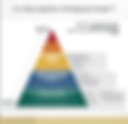
(AANMC, 2023 (adapted from Zeff et al., 2013) This hierarchy demonstrates our focus as naturopaths, which is on disease prevention and health promotion. Reducing the cost of health care and increasing the individuals agency over personal health promotion is paramount. In my practice, a significant area of focus is coaching clients to develop strong conditions for health with lifestyle and nutrition medicine. This involves identifying and removing barriers as well as education and collaboration on small achievable goals to build back a foundation of health. There are some misconceptions about what we do as naturopaths and it is understandable because, unfortunately in New Zealand, it remains an unregulated profession. Until we are recognised, it is important that the public knows how to find a qualified and credible practitioner. Try and look for a degree-qualified or a diploma-certified practitioner who is registered with a reputable professional association such as NMHNZ. NOTE: NMHNZ is now only allowing degree-qualified practitioners to be registered. This ensures that they are held to professional standards (which are aligned with international standards set out by the world naturopathic foundation), maintain continued professional education, and are aware of their clear scope of practice. In my practice, to further uphold the safety and health of a client, a client can consent to a shared-care approach where I work collaboratively with their primary health practitioners and/or other practitioners such as psychologists. I believe that a shared care approach is the best way we can support a person's health and wellbeing. Based on the Naturopathic Therapeutic Order (Zeff et al., 2013), the foundation to health is establishing the conditions required to maintain health. This involves assessing and establishing foundational and social determinants of health as well as removing factors that disturb them. The determinants that we look at include: 1. nutrition 2. sleep 3. exercise 4. stress 5. trauma 6. lifestyle factors 7. Psycho-emotional factors 8. Socioeconomic factors 9. Environmental factors This is the most important aspect of my clinical practice as it is the foundation to whole-person preventative medicine. It is also the most challenging. It requires systems thinking, that recognises the interconnections between the different aspects and how these connections can be supported. It also involves working with the Transtheoretical Behavioural Change Model, which appreciates the stages of behavioural change and how an individual can be supported through these changes. In addition to my Naturopathic qualifications, I am currently completing a certificate in health coaching with Prekure, which is increasing my understanding and practice of behavioural medicine and coaching with regard to the above determinants. I am on a mission to promote preventative medicine and health. I am on a mission to do this collaboratively, in a person-centred way and with an integrated, shared-care approach. I believe our health care system can be better and I want to be part of the solution. Ngā mihi nui, Melissa References: AANMC, 2023 NZNMH, 2023
- Maintaining behaviour change is not linear - it's messy!
Maintaining a behaviour change Change is not a linear process - it is messy. How many of us have reached a health goal we set only to slip back into old habits? (All hands up including mine) The Transtheoretical Model of Change suggests that behaviour change involves moving between these stages: Precontemplation - not engaged, with no intention of starting any health promoting behaviours. Contemplation - not engaged but considering incorporating health-promoting behaviours into their life. Preparedness - Seriously considering starting to change their behaviours. This could include researching options or connecting with some form of support (e.g. practitioner). Action - Actively engaged in a health-promoting behaviour for 6 months. Maintainance - Consistently engaged in a health-promoting behaviour beyond 6 months. We could add a sixth stage, relapse, to this. This involves back-tracking to any point 1-5 above. Depending on where an individual is at (e.g. motivation, resource) as well as environmental context factors (e.g. One systematic review identified the following key themes relevant to maintaining behaviour change: Motives - are you feeling satisfied with outcomes; enjoying the new behaviour; is the behaviour aligned with your identity, beliefs, values. Knowing your why is important. Getting to the root of 'why' you want to change helps you really get to the heart and depth of what you want. Self-regulation - are you monitoring and regulating your behaviour (e.g. tracking and adapting when needed); do you have strategies to overcome barriers? Is your behaviour change EASY to implement? Resource - do you have the psychological, emotional, and physical resources to maintain this behaviour? Habit - has the behaviour become a habit; in other words, is it automatic and responsive to certain cues? Environmental and Social - do you have a supportive environment and community around you? Remember, behaviour change is not-linear and often messy. Life happens and we need to adapt. Remembering why you are doing what you are doing is important. Does it align with the holistically well person you want to become? Is it realistic? Working with a coach or practitioner to help you through this can be valuable. DOI - 10.1080/17437199.2016.1151372
- Brain Health post Traumatic Injury (e.g. concussion)
There are 30-50 million traumatic brain injuries (TBI) a year world wide (most of which are classified as mild in nature) and 1 in 5 individuals will have symptoms persisting beyond 1 month. Acute trauma requires immediate medical attention by a primary health practitioner. Your GP or emergency care team are able to provide necessary screening, investigations to ascertain the severity of your injury and treatment required. Most individuals will recover within 1-3 months. Post-concussion symptoms may include: - Headache - Dizziness - Fatigue - Irritability and distress - Forgetfulness - Vision disturbances - Sleep disturbances - In general any new or worsened physical, emotion, and/or cognitive symptoms There are ways that you can support your recovery: - Eat an anti-inflammatory wholefoods diet - Avoid alcohol - Ensure you are eating a good amount of polyunsaturated fats (omega 3) - Ensure you getting enough sleep - Address any nutrient deficiency (e.g. vitamin D) - Manage and limit stress - Move regularly but at graded intensity - Ensure you have positive social support and especially, people you feel safe and comfortable sharing your process with Nutrients and herbs that have some compelling research:** - Lions mane - Choline - Creatine - Magnesium - N-acetyl cysteine - Omega 3 fatty acids **when taking supplements or herbs it is important to speak with a qualified health practitioner. DOI: 10.1016/j.apmr.2019.10.179 DOI: 10.3389/fnut.2022.977728 DOI: 10.3390/ijms222111313
- Let's talk about alcohol...
This may not be a fan favourite topic but we need to look at the the implications alcohol has on brain health and overall wellbeing Most understand that large chronic consumption is associated with negative health outcomes, however, little is understand or discussed about the implications of regular light to moderate consumption. Research shows that alcohol acts as a neurotoxin and even light to moderate consumption on a regular basis (e.g. 1-2 standard drinks a day or 7-14 standard drinks per week) has negative impacts on our brain health: - Lowers a person’s physiological and psychological bandwidth for stress. - Can reduce and restructure both grey and white brain matter in such a way that it increases vulnerability and perhaps rate of cognitive decline/disease - Significantly reduces sleep quality. - Exacerbates depression and anxiety This is not to create panic or an expectation that all should refrain from consuming any alcohol at all. We may, however, need to reflect on the patterning and normalisation of regular alcohol consumption in our lives. Alcohol is deeply engrained in our culture. If we truly want to support the mental health of our communities, we need to look at alcohol as significant contributing factor. Some suggestions to change your relationship with alcohol: - Take some time off - break the REGULAR patterning. - Be a good mate - offer non-alcoholic drinks at social functions in addition to your alcoholic beverages of choice. If someone is not drinking please do not pressure them to drink. If a mate is struggling with mental health - avoid offering to take them out for ‘drinks’. - Consume when you are feeling most resilient and well - not using it as a coping tool for stress. - Normalise alcohol-free behaviour DOI: 10.1038/s41467-022-28735-5 DOI: 10.1001/jamanetworkopen.2019.10319 DOI: 10.3389/fcvm.2021.681627
- Metabolic Health and Your Brain
Metabolic dysregulation is associated with cognitive decline. This is when you are not sensitive to insulin signalling and therefore, do not regulate glucose levels well. Excessive blood glucose promotes oxidative stress. Risk factors for metabolic dysregulation include: - Dyslipidemia - Hypertension - Diabetes - Increased central body adiposity - Poor gut health - Systemic inflammation - Excessive Western Food Diet intake (e.g refined grains, processed foods, low fibre, human modulated fats) Other contributing factors to metabolic dysregulation: - Significant hormone change (e.g. menopause) - Stress - Poor sleep patterns - Nutrient deficits - Poor gut health - Alcohol - Sedentary lifestyle Improving your metabolic health is an important way to protect your brain and overall cognitive function. Strategies to explore when needing to improve and/or wanting to maintain metabolic health: Anti-inflammatory, nutrient-dense nutrition: - 5+ serves of colourful fruit and vegetables - Whole grains and other complex carbs - Increased intake of omega-3 fatty acids (e.g. oily fish) - Unprocessed animal and plant-based protein - Fermented foods Key nutrients best found in wholefoods identified above for both metabolic and brain health: - Choline - B vitamins - Folate - Iron - Polyunsaturated fats - Antioxidants and phytonutrients - Vitamin D - Vitamin E - Vitamin C - Zinc - Pre and probiotics - Magnesium Lifestyle Advice - A regular and consistent exercise/movement practice - Stress management practices - Improved sleep quality - getting outside in natural light If you have metabolic syndrome or diabetes it is important to continue to see a trusted health care practitioner for more support and individualised planning to meet your needs. References (Sarris & Wardle, 2019) (Hechtman, 2019) DOI: 10.3390/nu14020333 DOI: 10.3390/nu12113367